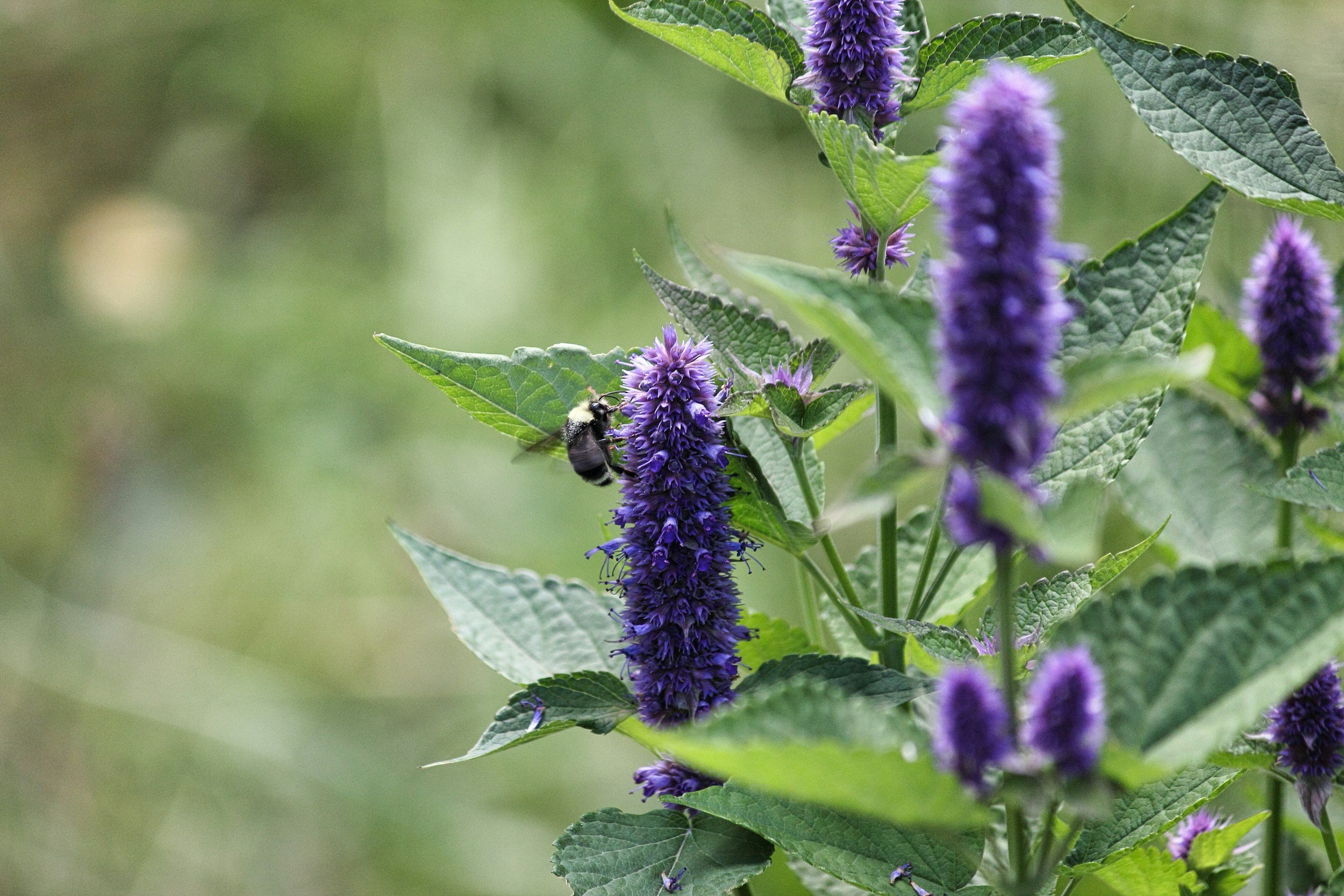
Basil
Basil(Ocimum basilicum) is a tender culinary herb in the mint family (Lamiaceae) native to tropical and subtropical Asia.
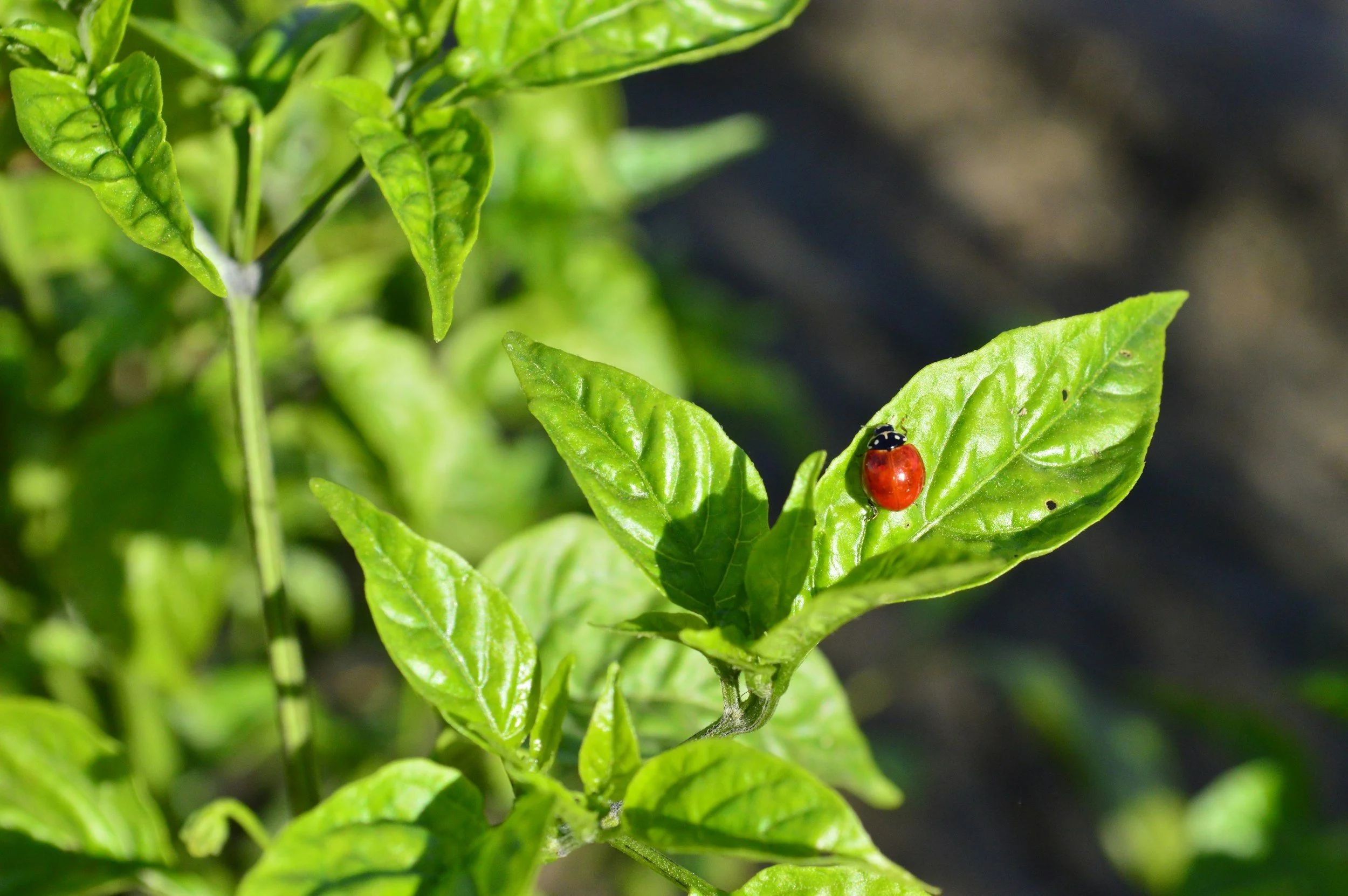
Anise Hyssop
Anise Hyssop (Agastache foeniculum) is an aromatic, herbaceous perennial plant in the mint family (Lamiaceae) native to North America's Great Plains and upper Midwest. Despite its name, it is a distinct species and is not true hyssop (Hyssopus) or anise (Pimpinella anisum).
• Height & Spread: Grows 2 to 4 feet tall and 1 to 3 feet wide with an upright, clump-forming habit.
• Stems & Leaves: Features square stems characteristic of the mint family and oval, toothed green leaves with a light or white underside.
• Flowers: Produces dense, 3- to 6-inch terminal spikes of tiny lavender-to-purple tubular flowers from June through September.
• Aroma & Flavor: Crushed leaves and flowers emit a strong scent and sweet flavor reminiscent of anise, licorice, or fennel.
• Sunlight: Thrives best in full sun, though it tolerates partial shade.
• Soil: Prefers dry-to-medium moisture, well-drained soils; poor drainage can cause root or crown rot.
• Hardiness Zones: Hardy in USDA zones 4 through 8.
• Wildlife & Maintenance: Tolerates drought and resists deer and rabbits. It self-sows readily and spreads via rhizomes.
• Pollinator Garden: Attracts bees, butterflies, hummingbirds, and moths, serving as an important nectar source.
• Culinary: Fresh or dried leaves and flowers are used to brew sweet herbal teas, flavor salads, bake into cookies or muffins, or make jellies.
• Medicinal & Crafts: Historically used by Indigenous North American tribes (such as the Cree, Cheyenne, and Ojibwe) for fevers and respiratory issues. Dried leaves are also added to potpourri. project starts with a curious idea and ends with big smiles. Scroll, enjoy, and imagine what we could craft together next.